
Ensuring the safety and efficacy of blood and blood products is crucial for any healthcare system. In Germany, this mantle is shouldered by the Arbeitskreis Blut (Blood Working Group) at the Robert Koch Institute (RKI). A deep dive into the history and operations of the Arbeitskreis Blut reveals its pivotal role in shaping Germany’s blood safety policies and its wider significance on the European stage.
Established under the aegis of the RKI, the Arbeitskreis Blut has, for decades, served as the cornerstone of Germany’s blood safety framework. Conceived as a response to the growing need for standardized blood safety protocols, the institution has been at the forefront of policy recommendations and research in this domain.
- Monitoring and Surveillance: Central to its mission is the continuous monitoring of blood and blood products. By gathering data and assessing risks, the Arbeitskreis Blut ensures the highest safety standards are maintained.
- Policy Recommendations: Drawing from its monitoring activities and research, the Arbeitskreis Blut provides evidence-based recommendations to German health authorities. These guidelines play a critical role in shaping national blood safety policies.
- Research & Development: Beyond its monitoring role, the institution is actively involved in research, always seeking to enhance safety protocols and introduce innovative practices.
In the realm of blood safety, the policy decisions and guidelines issued by the Arbeitskreis Blut hold significant sway. Their recommendations not only influence national policy but also provide a benchmark for other European nations. This dual role, both as a monitor and a policy influencer, underscores its vital position within Germany’s healthcare ecosystem.
Monitoring the activities and decisions of the Arbeitskreis Blut is of paramount importance, especially from a public affairs perspective. By staying abreast of its guidelines, stakeholders ranging from healthcare professionals to policymakers can align their practices and decisions accordingly. Furthermore, such vigilance ensures transparency and fosters trust among the general public, affirming the safety of blood transfusions and related medical procedures.
Unfortunately, the AK Blut rarely makes its policy document available to the public.
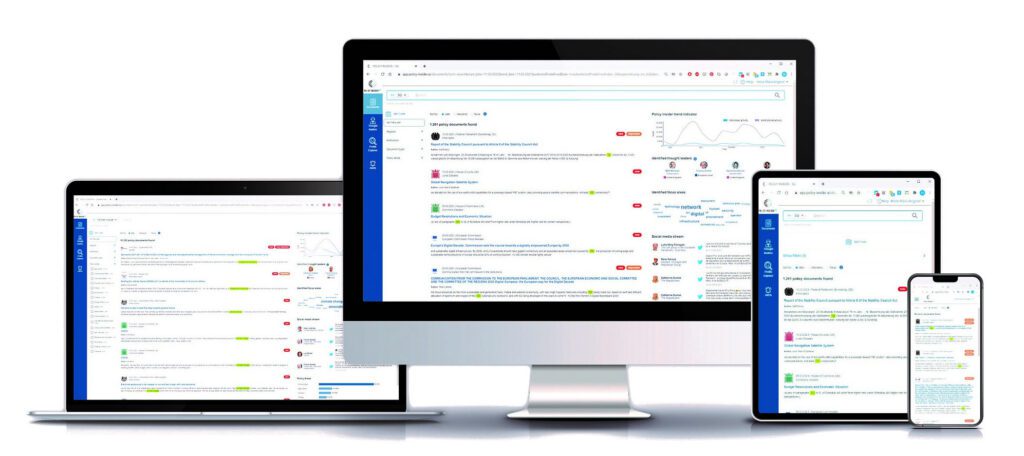
Start monitoring the Arbeitskreis Blut with welcome.policy-insider.ai/
– three days free –
- United States – Food and Drug Administration (FDA) Blood Division: www.fda.gov
- United Kingdom – NHS Blood and Transplant: www.nhsbt.nhs.uk
- Australia – Australian Red Cross Blood Service: www.donateblood.com.au
- Canada – Canadian Blood Services: www.blood.ca
- India – National Blood Transfusion Council: nbtc.naco.gov.in
- France – French National Blood Service: www.efs.sante.fr
- Spain – Spanish National Blood Transfusion Centre: www.ont.es
- Italy – Italian National Blood Centre: www.centronazionalesangue.it
- Netherlands – Sanquin Blood Supply Foundation: www.sanquin.nl
- Belgium – Belgian Red Cross Blood Service: www.rodekruis.be
The Arbeitskreis Blut at the RKI stands as a testament to Germany’s commitment to blood safety. As we navigate the complexities of healthcare, understanding its role and functions becomes paramount for anyone invested in public health and policy in Germany and beyond.